
Before the first phone call
Whether a claim is paid is your insurer's decision. What you control is the quality of the record. Good records answer the adjuster's questions before they are asked.
This guide covers the process. The companion question of what is usually covered depends on the cause of the loss and your policy wording, so ask your insurer about that.
Step 1: Make it safe and stop the water
Close the main valve or the valve at the fixture. Keep people away from wet areas with live electricity. If there is any electrical or gas danger, call the utility or 911 before anyone else.
Step 2: Record everything before you move it
Use your phone. Walk through every affected room and take wide shots, then close-ups.
- The source: the failed pipe, hose, tank or the place water entered.
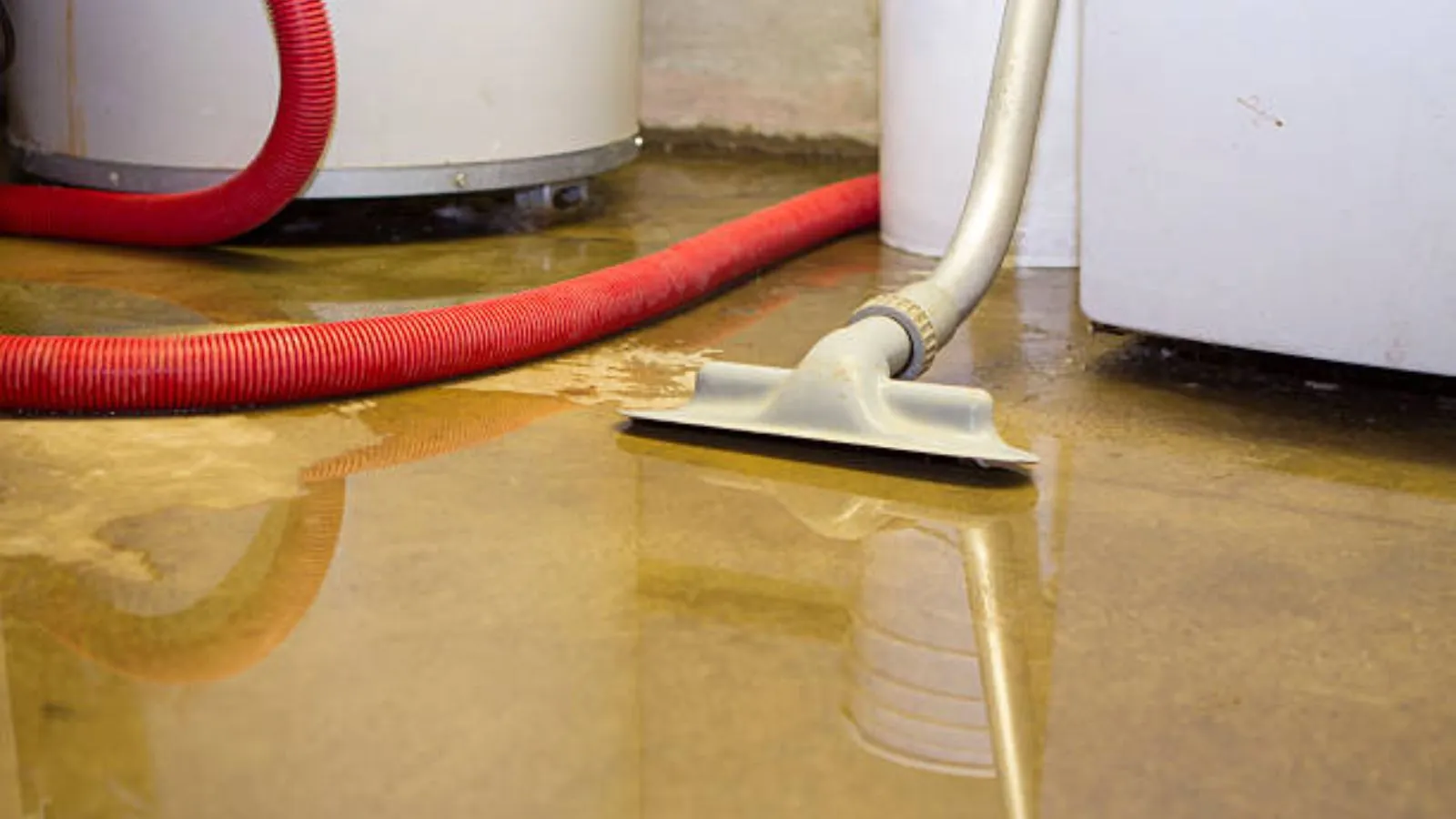
- The water itself, with something for scale.
- Every wall, floor and ceiling that is wet.
- Damaged furniture, electronics and stored items.
- Serial numbers and labels on damaged appliances.
- The date and time. Most phones record this automatically.
Video with narration helps. Say what you are looking at and when you found it.
Step 3: Report the loss
Call your insurer or agent and report it. Write down the claim number, the name of the person you spoke to and what they told you. Ask three questions.
- What do you need from me, and by when?
- Can I begin cleanup and drying now?
- Will an adjuster visit, and when?
Step 4: Limit further damage
Your insurer will normally want to see that you acted sensibly to stop the damage from growing. That means getting water out and starting to dry. Our water extraction page explains the first stage.
Do not throw away damaged items until they have been photographed, and ask your insurer whether the adjuster needs to see them. Keep the failed part if a plumber replaces it.
Step 5: Keep a file
| Record | Who produces it | Why it matters |
|---|---|---|
| Photos and video | You, and the restoration crew | Shows the condition before work began |
| Moisture map | Restoration crew | Shows how far the water spread |
| Drying log with daily readings | Restoration crew | Shows drying was needed and when it was complete |
| Itemized scope of work | Restoration crew | Lists what was removed, dried and rebuilt |
| Plumber's or roofer's invoice | That trade | States the cause of the loss |
| Receipts for emergency costs | You | Hotel, supplies, temporary repairs |
| Contents list | You | Item, age, and what it would cost to replace |
Put it all in one folder, paper or digital. Add a simple timeline: when you found the water, when you shut it off, when you called, and who came.
Step 6: The adjuster's visit
Be there if you can. Walk the adjuster through what happened and hand over copies of your records. If materials have already been removed, the photos and the moisture map show what was there.
Ask how the estimate will be prepared and when you will hear back. If the restoration scope and the adjuster's estimate differ, the two can usually be compared line by line.
Step 7: Follow up in writing
After any phone call, send a short email confirming what was said. If you disagree with a decision, ask for the reason in writing and for the policy language it relies on.
What a restoration company can and cannot do
It can document, mitigate, dry and repair. It can explain its scope to an adjuster. It cannot promise that a claim will be approved, state what you will be paid or decide coverage. Be cautious of anyone who says otherwise.
For losses that started as a split supply line, the burst pipe water damage page describes the cleanup you will be documenting.
Claim notes for North Olmsted, OH
The City of North Olmsted's storm sewer page lists several things residents can do after flood damage. One is to request a property value reduction for flood damage through Cuyahoga County. The city notes that insurance money received must be reported with that request.
If a city sewer or storm sewer was involved, report it. Storm water reports go to the Service Department, (440) 716-4151. Sanitary sewer reports, and any report made after hours, go to the treatment plant on (440) 777-1881. When you leave a message, the city asks for your name, address, phone number and how water is entering the home. Keep a note of that call in your claim file.
For questions or complaints about an insurer, the Ohio Department of Insurance consumer services line is 800-686-1526. We document losses for homeowners in Deerfield and anywhere else in our North Olmsted coverage zone.