
Reading a damaged wall
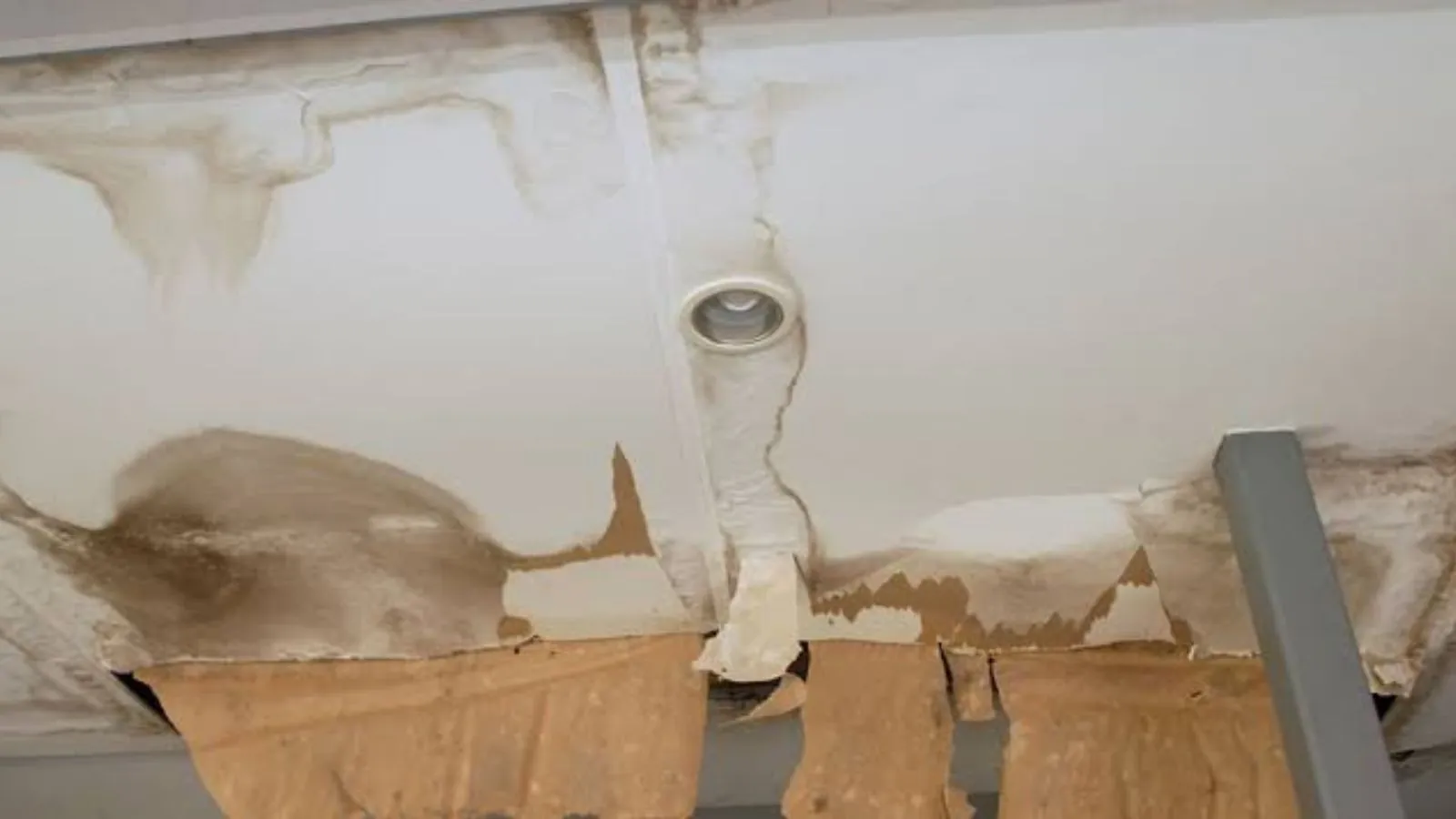
Wall and drywall water damage repair in North Olmsted, OH begins with reading the signs. Drywall is gypsum pressed between two sheets of paper. When it gets wet, the paper stains, the gypsum softens, and the wall tells you about it in stages.
- A yellow or brown stain with a darker edge.
- Paint that bubbles or peels.
- Baseboards that swell, separate at the joints or pull away.
- A wall that feels cool or soft when pressed.
- A soft spot that turns into a hole.
Callers describe exactly this progression: a wall that is saturated, a soft spot where a hole seems to be forming, drywall damage in the garage, and a kitchen wall wet from a siding leak outside.
Where the water is coming from
A wall rarely gets wet from the room side. Look at what is behind or above it.
| Wall location | Likely source |
|---|---|
| Behind a bathroom or kitchen | Supply or drain line in the wall |
| Exterior wall | Siding, flashing or window leak |
| Below an upstairs bathroom | Leak running down inside the wall from above |
| Bottom few inches along a floor | Water that spread across the floor and wicked up |
| Garage wall shared with the house | Water heater, laundry or hose bib line |
When the water came from overhead, the ceiling is usually involved too, and that side of the repair is on the ceiling water damage repair page. A wall soaked by a split supply line starts as a burst pipe job.
Dry it or cut it out?
Not every wet wall has to be opened. The decision follows three questions.
- Was the water clean? Drywall wet by contaminated water is removed.
- Is the drywall still firm? If it has gone soft, sagged or crumbled, it is replaced.
- Is there insulation behind it? Wet insulation cannot be dried inside a closed wall, so the wall is opened to remove it.
A firm interior wall with no insulation, wet for a short time with clean water, can often be dried in place. Baseboards come off and small holes are drilled low down to let dry air into the cavity.
How the repair is done
- MapA moisture meter marks the wet boundary on the wall. A thermal camera checks for wet insulation.
- OpenDamaged drywall is cut in straight lines, usually to the middle of a stud, so new pieces have something to fasten to.
- Dry the cavityStuds and the bottom plate are dried with air movers and a dehumidifier until readings are normal.
- RebuildNew insulation and drywall go in. Joints are taped and finished.
- FinishThe wall is primed with a stain-blocking primer and painted. Baseboards are replaced or reinstalled.
The drying stage follows the process on the structural drying page. New drywall is never hung over framing that still reads wet.
Soft spot in a wall? Call before it becomes a hole, and say what is on the other side.
Call (833) 521-1033Plaster walls in older homes
Along Butternut Ridge Road stand the oldest houses in the city, put up long before drywall existed. Plaster over wood lath behaves differently. It tolerates brief wetting well, but prolonged leaks loosen it from the lath and it sounds hollow when tapped.
Plaster repair takes different materials and more time than a drywall patch. If your walls are plaster, mention it when you call so the scope reflects that.
Does the repair need a permit?
North Olmsted's residential project guidance says removal of drywall on an exterior wall over 100 square feet requires a building permit before replacement. Smaller interior patches are a different matter. Permit rules vary by job, so ask the Building Department at (440) 777-8000 before a large repair.
Safety steps before opening a wall
Do not cut into a wet wall without knowing what runs inside it. Shut off the circuit for outlets and switches on that wall, and avoid sanding or breaking material in a house old enough to contain lead paint or asbestos until it has been tested.
The three questions above come from ANSI/IICRC S500, the published standard for water damage restoration. A crew that follows it can show you the readings behind each cut.
What drives the price of wall repair
- Water category. Clean water may allow drying in place. Gray or contaminated water means removal.
- Area. A patch between two studs, or the lower section of a whole room.
- Materials. Drywall, plaster, insulation, tile backer, trim.
- Drying days. Wall cavities need directed airflow for several days.
- Rebuild scope. Drywall, finishing, paint and baseboards. Matching texture and color takes care.
A wall soaked by a sudden leak is often an insured repair, while long-term seepage often is not. Ask your insurer how your policy reads. Call (833) 521-1033 for your scope. Wall repairs are carried out throughout North Olmsted and in each community on the service area page.