
Start with the form
Most sellers of residential property in Ohio complete the Residential Property Disclosure Form issued by the Ohio Department of Commerce under section 5302.30 of the Revised Code. It asks what you know about the property. Several of its questions are about water.
This guide explains those questions in general terms. It is not legal advice. A real estate attorney or your agent can advise you on your own sale.
What the form asks about water
| Topic | What the form asks, in summary |
|---|---|
| Roof | Any previous or current leaks or other material problems with the roof or gutters |
| Water intrusion | Any previous or current water leakage, water accumulation or excess moisture, including below grade, basement or crawl space |
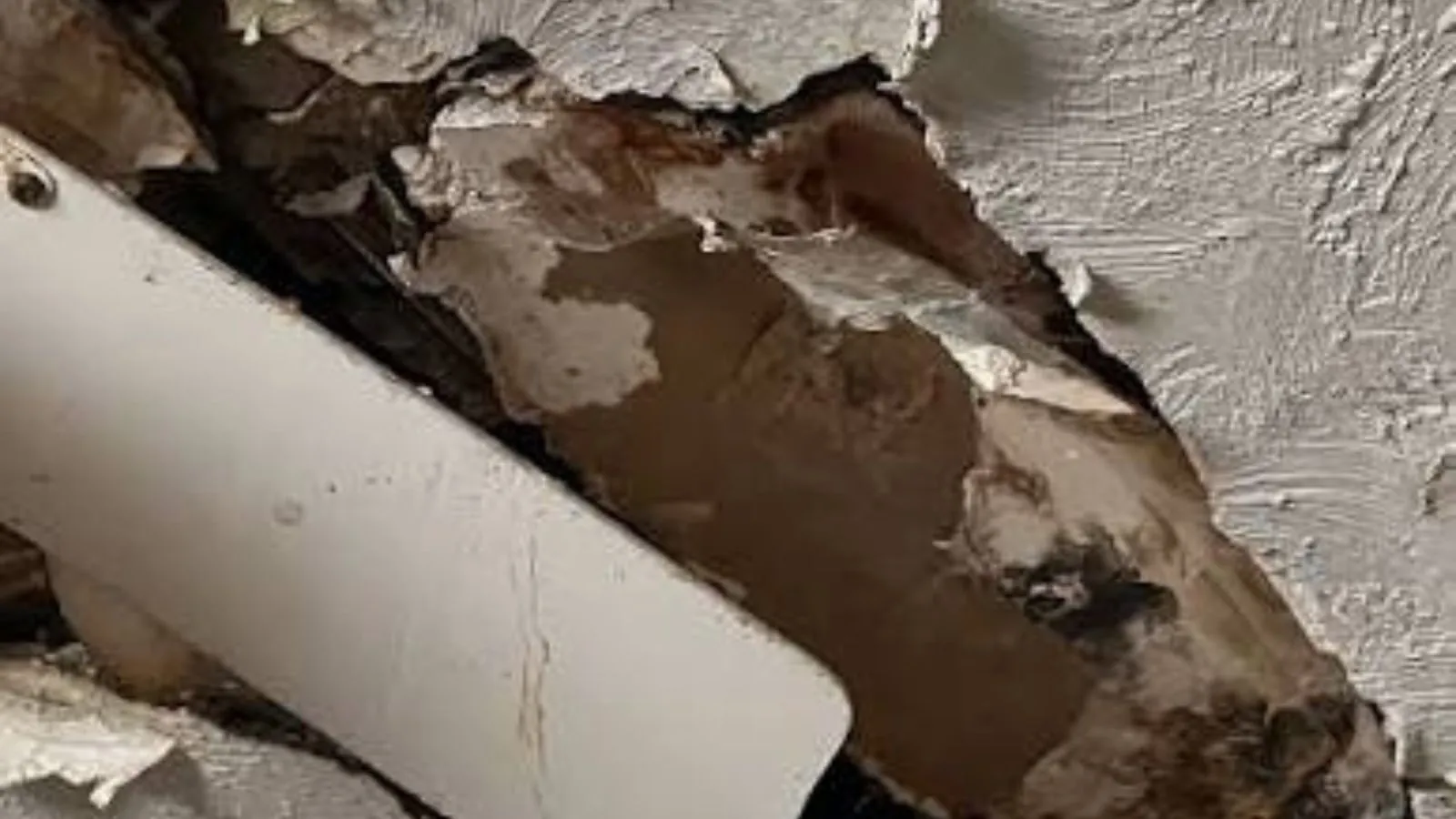
| Water or moisture damage | Damage to floors, walls or ceilings from flooding, seepage, condensation, ice damming, sewer overflow or backup, or leaking pipes, fixtures or appliances |
| Mold | Whether the property has been inspected for mold by a qualified inspector, and any remediation undertaken |
| Sewer system | Any previous or current leaks, backups or other material problems |
| Flood plain | Whether the property is in a designated flood plain |
| Drainage | Any previous or current flooding, drainage, settling or grading problems |
Several questions ask you to describe the problem and any repairs completed. Some limit the repair history to the past five years. The water intrusion question has no such limit on the form.
Known is the key word
The form asks what you know. It does not require you to investigate. But a leak you had repaired, a basement that flooded, or mold you had removed are things you know.
Answering honestly protects you. A buyer who finds an undisclosed water problem after closing has grounds for a dispute. A buyer who reads about a leak that was professionally dried and repaired, with paperwork, usually moves on.
Records that help
If you have had water damage, gather these before you list.
- The date and cause of the loss.
- The plumber's or roofer's invoice showing the source was fixed.
- The restoration scope of work.
- Moisture readings and the drying log showing the structure was dried.
- Photos from before, during and after.
- Any permit and inspection records for the repairs.
- Any mold inspection or clearance report.
A folder like this answers the buyer's inspector before the questions are asked.
Damage you have not dealt with yet
You have three realistic choices with unrepaired damage.
- Repair before listing. Usually the cleanest route. Dry it properly and keep the records.
- Disclose and price accordingly. Some buyers will take on repairs for a lower price.
- Disclose and offer a credit. The buyer handles the repair after closing.
Covering a stain with paint and saying nothing is not on the list. Inspectors carry moisture meters, and a hidden problem found late can end a sale.
If the damage includes mold, the steps are on our mold remediation page. If walls or ceilings need rebuilding, see wall and drywall water damage repair.
When the buyer's inspector finds something
Inspectors often flag stains, high moisture readings or visible mold. The buyer may ask for repairs, and a lender may require them before funding the loan.
In that case, speed and documentation matter. Have the area assessed, get a written scope, complete the work and provide the records. Where mold was part of it, clearance results from an assessor with no stake in the job carry weight. Acceptance is up to the lender or buyer, so find out what they need before work starts.
The mold statement on the form
The form includes a notice to buyers. It says that every home contains mold, that some people are more sensitive to mold than others, and that a concerned purchaser is encouraged to have a mold inspection done by a qualified inspector.
For sellers, the practical point is that buyers are being told to look. If you have had mold remediated, your records are an asset.
Selling in North Olmsted, OH
Two of the form's questions come up often here. The first is sewer backups. North Olmsted tells residents in writing that its sanitary sewers can overload in a storm and reverse into lower levels. If that has happened in your house, the form asks about it.
The second is flooding. The National Weather Service log for the evening of May 12, 2014 shows roughly a thousand flooded homes across this city, Westlake and Olmsted Falls. If your house took water then, that is part of its history, and so are the repairs you made.
For the flood plain question, look up your address on the FEMA flood map. The city's code has a flood damage reduction chapter, numbered 1361, and the Building Department can answer questions about it. If repairs needed permits, the department at (440) 777-8000 can tell you what is on record.
Buyers looking at 1960s homes in Bretton Ridge and elsewhere in the North Olmsted service area tend to ask about basements first.