
Think about paths
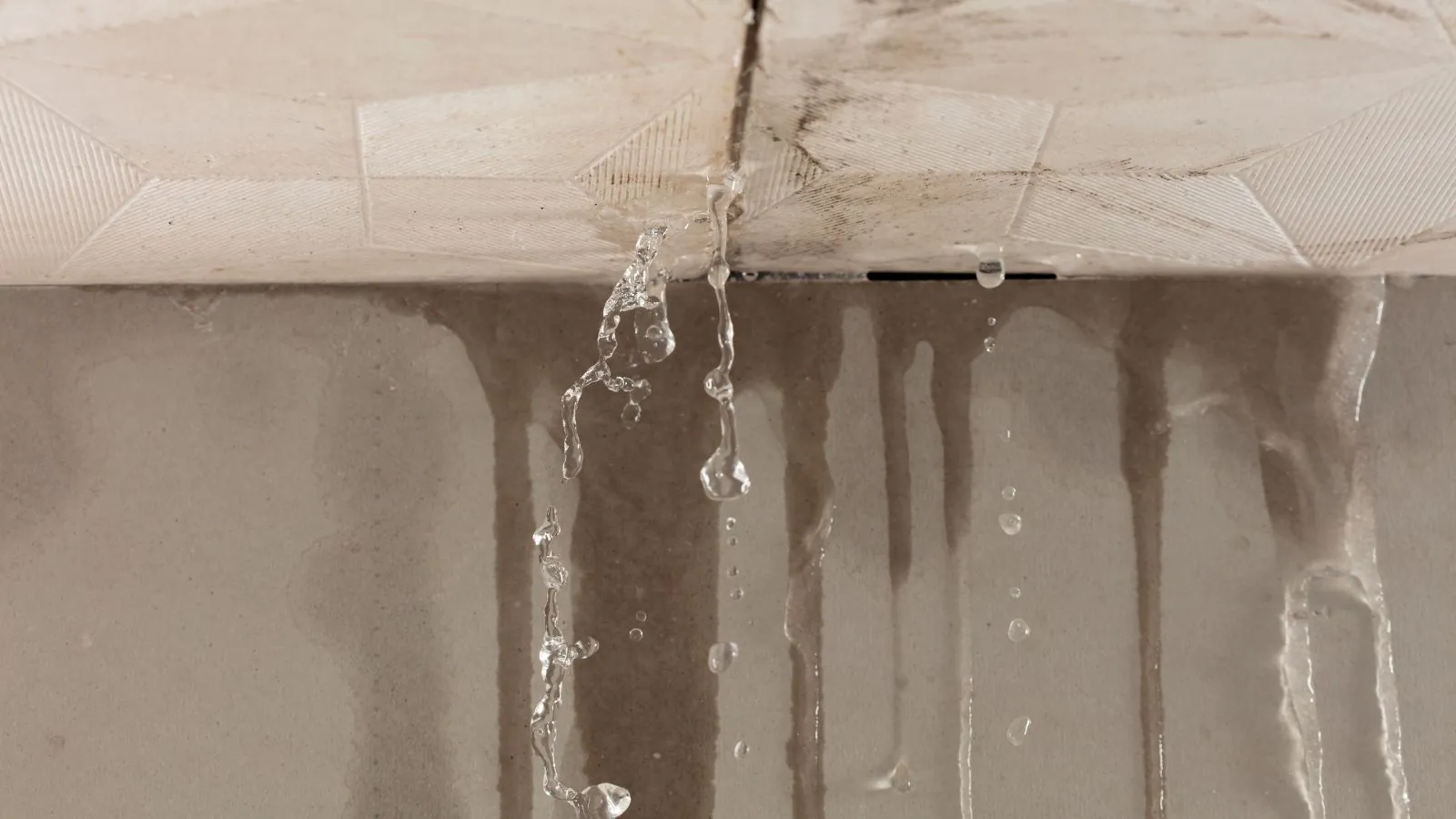
Water follows the easiest route. Preparing a house means checking each route in turn: the roof, the walls, the ground around the foundation and the drains below it.
Work from the top down. Most of this needs a ladder, a hose and a flashlight.
Roof and gutters
- Look for missing, lifted or cracked shingles from the ground with binoculars.
- Check flashing around the chimney, vents and skylights.
- Clean gutters and downspouts. A blocked gutter sends water behind the fascia and down the wall.
- Make sure downspouts discharge several feet from the foundation.
- Trim branches that overhang the roof.
Do not walk on a steep or wet roof. Hire a roofer for anything you cannot check safely.
Windows, doors and walls
- Check caulk around window and door frames.
- Clear window wells of leaves and make sure their drains are open.
- Look for gaps where pipes and cables enter the house.
- Check the bottom course of siding for damage.
Ground and foundation
- Soil should slope away from the house. Add soil where it has settled.
- Keep mulch and planting beds below the siding line.
- Check that driveway and patio drains are clear.
- Look for new cracks in basement walls and note them.
Sump pump and floor drain
This is where many basements are won or lost.
| Item | What to check | How often |
|---|---|---|
| Sump pump | Pour a bucket of water into the pit. The pump should start, empty the pit and stop | Every spring and before a forecast storm |
| Discharge line | Follow it outside. It should be clear and release water away from the house | Every spring |
| Power | Plugged into a working outlet, not an extension cord | Every spring |
| Battery backup | Test it if you have one. Consider one if you do not | Twice a year |
| Floor drain | Pour water in. It should drain steadily | Twice a year |
| Backwater valve | If fitted, have a plumber confirm it moves and seals | Yearly |
A sump pump with no backup stops when the power does, which is often during the storm.
Inside the house
- Know where the main water shutoff is and make sure it turns.
- Move valuables and paper records off the basement floor onto shelves.
- Store basement items in plastic bins instead of cardboard.
- Raise appliances on blocks where practical.
- Keep a flashlight, gloves and a phone charger where you can find them.
Paperwork before the storm
- Read your insurance policy. Standard homeowners policies usually exclude flood, and sewer backup is often an added endorsement. Ask your agent what you have.
- Photograph every room and the contents of the basement. Store the photos online.
- Keep a list of serial numbers for appliances and electronics.
- Save emergency numbers in your phone.
A ten-minute check before a forecast storm
When heavy rain is in the forecast, do the short version. Test the sump pump with a bucket of water. Clear leaves from the window wells and the nearest street drain if you can do so safely. Move the car out of any low spot, and lift anything you care about off the basement floor.
When the storm arrives
- Stay out of a flooded basement if water has reached outlets or appliances.
- Keep the breaker panel off limits to anyone standing in water.
- If sewage is coming up through a drain, stop using water in the house.
- Stay away from downed lines and call the utility or 911.
- Take photos when it is safe.
If water gets in, start the cleanup quickly. See flood damage cleanup for water that came from outside and storm water damage cleanup for rain that entered through the roof or walls.
Storm season in North Olmsted, OH
North Olmsted has a clear example to plan around. The National Weather Service report on May 12, 2014 describes slow-moving storms, almost 1,000 inundated homes between Westlake, North Olmsted and Olmsted Falls, and rain so intense the agency rated it near a 500 year event in the worst-hit places. Fifteen cars were submerged at Great Northern Mall.
The city's sewer guide explains why basements are vulnerable. Rain and groundwater that find their way into sanitary pipes use up the room meant for sewage. The guide asks owners to find out where sump pumps, footing drains, downspouts and yard drains discharge, and to remove any connection that sends clear water into the sanitary line. The city recommends working with a professional plumbing contractor on backup protection such as valves or overhead sewers.
Keep these numbers handy. Daytime storm water calls: (440) 716-4151, the Service Department. Sewer calls and anything after hours: (440) 777-1881, the treatment plant. The Ohio Department of Insurance notes that flood insurance usually has a 30-day waiting period, so arrange it well before storm season.
We respond to storm losses in Bretton Ridge and on every other street in the North Olmsted service area.