
First, work out why it is there
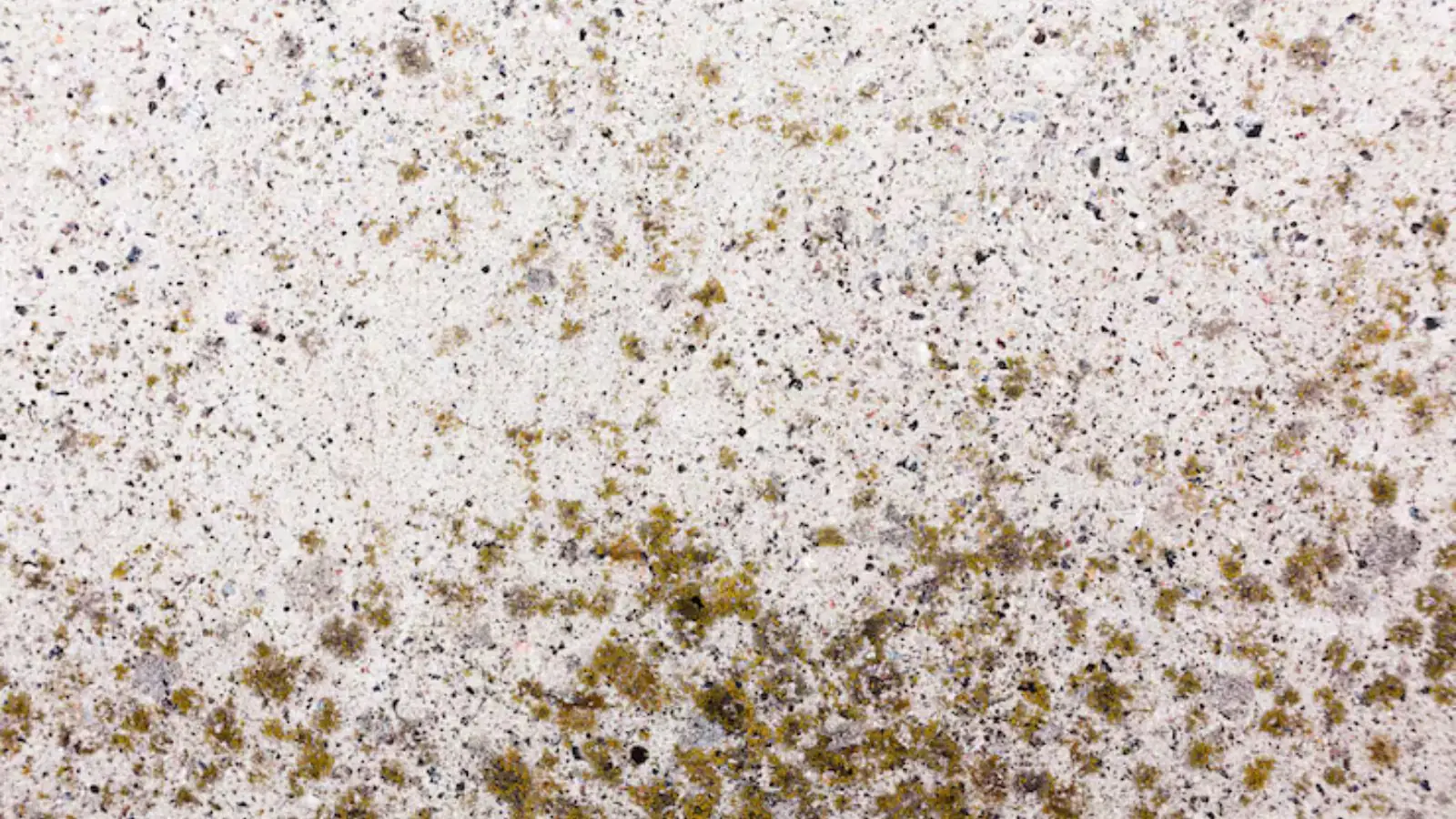
Mold on a wall is a symptom. Mold needs moisture, so every patch has a water story behind it: steam with nowhere to go, a cold wall collecting condensation, or a leak inside the cavity.
If you clean the wall and ignore the moisture, the mold comes back. So before reaching for a sponge, ask three questions.
- Is this a room with a lot of steam, such as a bathroom without a working fan?
- Is the wall cold, such as an outside wall behind a wardrobe?
- Could there be a leak, such as a pipe, a window or a roof above?
Surface mold or a wet wall?
| What you find | What it suggests | What to do |
|---|---|---|
| Spots on bathroom paint that wipe away | Condensation on the surface | Clean it, improve ventilation |
| Mold behind furniture on an outside wall | Trapped humid air against a cold surface | Clean it, move the furniture out a few inches |
| Mold with bubbling paint or a stain | Water inside the wall | Find the leak. The drywall may need removal |
| Wall feels soft or damp | Saturated drywall | Do not scrub. Have it assessed |
| Mold returns weeks after cleaning | Moisture source still active | Stop cleaning and look for the cause |
| Area larger than a few square feet | More than a surface problem | Consider professional remediation |
Cleaning a small patch safely
For a small area on a painted wall that is firm and dry underneath:
- Open a window and wear gloves, eye protection and a mask.
- Mix a little dish detergent in warm water.
- Wipe the area with a damp cloth or sponge. Do not soak the wall.
- Rinse the cloth often and change the water.
- Dry the wall with a clean towel, then run a fan until it is fully dry.
- Throw away the cloth and sponge.
Avoid dry brushing or sanding, which sends spores into the air. Do not mix cleaning products, and never combine bleach with ammonia.
Detergent and water remove mold from a surface. They do not reach mold growing inside the paper face of drywall or in the gypsum behind it.
Why drywall is different from tile
Tile, glass and metal are non-porous. Mold sits on top and wipes off. Drywall is paper and gypsum, both porous. Once mold has grown into the paper, cleaning the paint above it changes the appearance and leaves the growth in place.
That is why professional remediation removes moldy drywall instead of washing it. The standard for that work, ANSI/IICRC S520, calls for removing contaminated porous materials and cleaning the solid framing behind them.
When to stop and call someone
- The wall is soft, swollen or stained.
- You can smell mold but cannot see where it is.
- The patch is larger than about a bath towel.
- It is on more than one wall or in more than one room.
- It followed a leak or a flood.
- Someone in the household has health concerns. Health questions belong with a physician.
In those cases the job involves opening the wall, which should be done under containment so spores stay out of other rooms. The steps are set out on our mold remediation page. If the wall is wet from a recent leak, drying comes first, as explained under structural drying.
Keeping walls dry afterwards
- Run the bathroom fan during a shower and for twenty minutes after.
- Keep furniture a few inches off outside walls.
- Fix drips when you find them, however small.
- Use a dehumidifier in a damp basement.
- Check under sinks and behind the washing machine a few times a year.
Mold on walls in North Olmsted, OH
Ohio's Residential Property Disclosure Form, issued by the Ohio Department of Commerce, tells buyers that every home contains mold and that some people are more sensitive to it than others. The point is not that mold is harmless. It is that the goal is a dry house, not a sterile one.
Much of North Olmsted's housing was built in the 1950s and 1960s, and city sewer guidance concedes that below-grade rooms sometimes take water in a downpour. A finished basement wall that got wet once and was never opened is a common place to find mold years later. The oldest houses, in Butternut Ridge, have plaster walls, which behave differently from drywall and are not cleaned or removed the same way.
Mold licensing rules differ by state, so ask whether your state licenses mold work before you hire anyone. We assess wall mold across the North Olmsted service area.